Showing posts with label 200 Hour Yoga Teacher Training in Rishikesh. Show all posts

Wednesday, February 14, 2024

Mastering the Frog Pose: A Holistic Approach
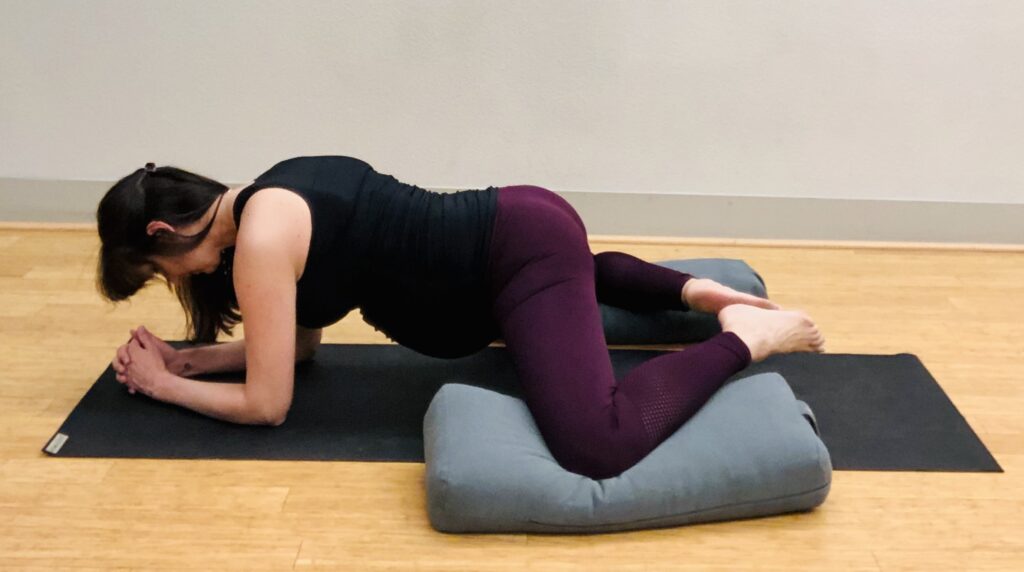
Mastering the Frog Pose: A Holistic Approach

Welcome to the holistic world of yoga at Shiva Holistic Yoga School, where ancient wisdom meets modern wellness practices. Among the myriad of yoga poses, the Frog Pose stands out as a powerful and transformative asana. In this article, we’ll delve into everything you need to know about the Frog Pose – from its physical benefits to the spiritual connection it fosters.

Source: https://shivholisticyogaschool.wordpress.com/2024/02/14/mastering-the-frog-pose-a-holistic-approach/

Understanding the Frog Pose

The Frog Pose, or Mandukasana, is a dynamic yoga posture that resembles the posture of a frog. This asana involves a unique combination of stretching and compression, offering a myriad of physical and mental benefits. Let’s explore each aspect in detail.

Benefits of the Frog Pose

The Frog Pose, or Mandukasana, extends beyond the physical realm, offering a holistic approach to well-being. This unique asana, practised with dedication and mindfulness at Shiva Holistic Yoga School, brings about transformative changes that encompass mental, emotional, and spiritual dimensions.

Physical Well-being:

  1. Enhanced Flexibility: Frog Pose is renowned for its profound impact on flexibility, particularly in the hips, groin, and thighs. As practitioners open their hips and stretch their inner thighs, they gradually experience increased suppleness in these areas. Shiva Holistic Yoga School emphasizes the importance of maintaining flexibility not just for physical health but also for energy flow and vitality.
  • Strengthens Abdominal Muscles: Engaging the core muscles is a key component of Frog Pose. By maintaining a stable and controlled posture, practitioners strengthen the abdominal muscles, contributing to improved posture and overall core strength. This strength is vital not only for physical health but also for the support of the spine and internal organs.
  • Improved Digestion: The compressive nature of Frog Pose stimulates the abdominal organs, promoting digestive health. As practitioners press the thighs against the abdomen, digestive juices are stimulated, aiding in the efficient breakdown of food. Shiva Holistic Yoga School recognizes the intimate connection between physical health and the proper functioning of the digestive system.

Mental and Emotional Wellness:

  • Stress Relief: The rhythmic and deliberate breathing involved in Frog Pose induces a state of relaxation, reducing stress and anxiety. Shiva Holistic Yoga School places a strong emphasis on the mind-body connection, teaching practitioners to synchronize breath with movement for a calmer and more centred mental state.
  • Balances Emotions: As Frog Pose encourages practitioners to delve into the depths of their hip area, it often leads to emotional release. Stored emotions and tension are released, allowing for a more balanced and harmonious emotional state. Shiva Holistic Yoga School views emotional well-being as an integral part of holistic health and encourages practitioners to embrace and process their emotions during their yoga journey.
  • Svadhisthana Chakra Activation: The practice of Frog Pose aligns with the Svadhisthana Chakra, often referred to as the sacral chakra. This energy centre is associated with creativity, passion, and emotional balance. Shiva Holistic Yoga School guides practitioners in connecting with and balancing the Svadhisthana Chakra, fostering a sense of creativity and emotional equilibrium.
  • Energetic Flow: Frog Pose facilitates the flow of energy throughout the body, unblocking any stagnant areas and promoting a sense of vitality. This aligns with Shiva Holistic Yoga School’s belief in the importance of prana, or life force energy, and its unrestricted flow for overall well-being.

Holistic Approach of Shiva Holistic Yoga School

At Shiva Holistic Yoga School, every yoga pose is approached with a holistic mindset. Frog Pose, with its emphasis on the connection between mind, body, and spirit, aligns perfectly with the school’s philosophy.

  1. Breath Awareness in Frog Pose: Shiva Holistic Yoga School emphasizes the importance of breath in yoga. In Frog Pose, synchronized breathing enhances the benefits of the asana, promoting a meditative state.
  2. Chakra Alignment through Mandukasana: The practice of Frog Pose aligns with the Svadhisthana Chakra, associated with creativity and emotional balance. Shiva Holistic Yoga School guides practitioners in balancing and energizing this chakra through mindful practice.

How to Perform the Frog Pose: Step-by-Step Guide

1. Start in a Tabletop Position

    – Begin on your hands and knees, aligning wrists under shoulders and knees under hips.

2. Spread the Knees Wide

    – Gradually move the knees towards the outer edges of the mat, creating space for the hips.

3. Toes Point Outward

    – Rotate the toes outward, resembling a frog’s stance.

4. Gradual Lowering

    – Slowly lower the hips towards the ground while keeping the spine straight.

5. Elbows Bent, Forearms on the Mat

    – Place the forearms on the mat, keeping the elbows bent at a 90-degree angle.

6. Relax the Neck and Breathe

    – Release tension in the neck, and maintain steady breaths, sinking deeper into the stretch.

Tips for Beginners

1. Use Props

    – Props like cushions or blocks can provide support for beginners, making the practice more accessible.

2. Listen to Your Body

    – Shiva Holistic Yoga School emphasizes self-awareness. Listen to your body, and do not push yourself beyond your comfort zone.

Takeaway

In conclusion, the Frog Pose is a powerful tool for your well-being. It is a doorway that opens not just to physical flexibility but also to a more relaxed mind and balanced emotions.

As you embark on your Frog Pose adventure, remember it’s not just about touching your toes or perfecting the pose; it’s about how you feel inside. This magical pose works wonders for your body, from making you bendier to giving your tummy a little massage for better digestion.

And it’s not just the body – your mind gets a treat too. Stress takes a backseat, and your emotions find their sweet balance. Shiva Holistic Yoga School believes in this holistic approach, where every stretch, every breath, and every yoga pose is a step toward a happier, healthier you.

So, whether you’re a beginner or a seasoned practitioner, hop into Frog Pose with Shiva Holistic Yoga School. It’s not just about the pose; it’s about the journey into yourself, finding balance, and embracing the magic that happens when you take that leap into wellness. Get ready to discover a whole new world within you!

So start practising the frog pose daily and avail numerous physical and mental health benefits. If you are keen to learn more about frog pose or any other yoga pose, you can visit our website or contact us today.

Stay happy, stay strong and get the best out of life.

Keep reading.

Visit: 300 hour yoga Teacher Training In Rishikesh | 500 hour yoga Teacher Training In Rishikesh

Wednesday, February 7, 2024

A Comprehensive Guide on Chakras in the Human Body


A Comprehensive Guide on Chakras in the Human Body

Welcome to Shiva Holistic Yoga School, where ancient wisdom meets modern understanding, and the journey within begins. In this comprehensive article, we will learn about the intricate energy system known as chakras in the human body. Ready yourself for a transformative journey where the fusion of yoga, mindfulness, and ancient teachings converge to unlock the profound connections between mind, body, and spirit.

Source: https://shivholisticyogaschool.com/blog/a-comprehensive-guide-on-chakras-in-the-human-body/

Understanding Chakras

  1. The Root Chakra – Muladhara: At the base of our energetic foundation lies the Root Chakra, Muladhara, representing our sense of security, stability, and connection to the earth. Delving into the practices at Shiva Holistic Yoga School, individuals learn to anchor and ground this energy. Through grounding poses, breathwork, and meditation, participants cultivate a deep-rooted strength, fostering resilience in the face of life’s challenges.
  • The Sacral Chakra – Svadhisthana: As we ascend, we encounter the Sacral Chakra, Svadhisthana, associated with creativity, passion, and emotional balance. Shiva Holistic Yoga School guides practitioners in awakening and balancing this chakra through dynamic movements and creative expression, tapping into the wellspring of inspiration within.
  • The Solar Plexus Chakra – Manipura: Empowering our sense of self-worth and personal power, the Solar Plexus Chakra, Manipura, is the fiery energy centre in the upper abdomen. Through targeted practices at our school, participants ignite the flames of personal empowerment, fostering confidence, courage, and a vibrant sense of identity.
  • The Heart Chakra – Anahata: Situated at the centre of the chakra system, the Heart Chakra, Anahata, radiates love, compassion, and emotional healing. Shiva Holistic Yoga School offers heart-opening practices that guide individuals toward self-love and harmonious connections with others, creating a nurturing environment for personal and interpersonal growth.
  • The Throat Chakra – Vishuddha: Facilitating authentic self-expression and communication, the Throat Chakra, Vishuddha, plays a fundamental role in effective communication. Techniques taught at our school empower individuals to balance this chakra in the human body, helping them speak their truth with clarity, authenticity, and integrity.
  • The Third Eye Chakra – Ajna: Elevating consciousness and intuition, the Third Eye Chakra, Ajna, is situated between the eyebrows. Practices at Shiva Holistic Yoga School awaken inner wisdom, enhancing clarity of thought and intuitive insights, guiding individuals towards a deeper understanding of themselves and the world around them.
  • The Crown Chakra – Sahasrara: At the peak of the chakra system rests the Crown Chakra, Sahasrara, connecting us to divine consciousness. Shiva Holistic Yoga School empowers individuals to explore higher states of awareness, spirituality, and unity through practices that activate and balance the Crown Chakra, facilitating a profound connection with the universal energy.

Balancing and Aligning Chakras in the human body

Achieving optimal well-being involves the delicate art of balancing and aligning the chakras in the human body. Shiva Holistic Yoga School integrates ancient yogic practices, meditation, and breathwork to cleanse and revitalize the chakras in the human body. Participants learn to identify energy blockages and release stagnant energy, fostering physical, emotional, and spiritual harmony.

Advertisement

Through personalized guidance, individuals at our school cultivate a heightened awareness of their energy centres, allowing them to navigate life with a renewed sense of purpose and vitality. The holistic approach at Shiva Holistic Yoga School ensures that the transformative power of balancing chakras in the human body becomes a seamless part of one’s daily life.

Significance of Understanding Chakras in the Human Body

At Shiva Holistic Yoga School, we recognize the importance of understanding and balancing the chakras in the human body to unlock the full potential of one’s mind, body, and spirit.

1. Energetic Harmony:

   The chakras in the human body act as energetic centres, representing different aspects of our being. Balancing these energy points fosters a harmonious flow, ensuring that vital life force energy, known as prana, circulates freely throughout the body. This energetic harmony is foundational for overall health and vitality.

2. Physical and Emotional Well-being:

   Each chakra is intricately linked to specific physical and emotional aspects of our existence. By addressing imbalances in these energy centres, individuals can experience improvements in physical health, emotional stability, and mental clarity. Shiva Holistic Yoga School emphasizes practices that target these connections to promote holistic well-being.

3. Spiritual Awakening:

   The journey through the chakras is a pathway to spiritual awakening and self-realization. As one aligns and activates the chakras in the human body, a deeper connection with the inner self and a heightened sense of spiritual awareness unfold. Shiva Holistic Yoga School provides guidance and techniques to facilitate this transformative spiritual journey.

4. Enhanced Personal Development:

   Understanding and balancing the chakras in the human body contribute to personal development by addressing specific qualities associated with each energy centre. Whether it’s cultivating confidence through the Solar Plexus Chakra or nurturing compassion through the Heart Chakra, our teachings at Shiva Holistic Yoga School focus on empowering individuals to reach their full potential.

5. Stress Reduction and Relaxation:

   Imbalances in the chakras can lead to stress and tension. Through dedicated practices, individuals can release blockages in these energy centres, promoting relaxation and stress reduction. Shiva Holistic Yoga School’s teachings include techniques that encourage the release of stored tension, allowing for a more relaxed and centred state of being.

6. Improved Relationships:

   The chakras in the human body play an important role in our ability to connect with others. By balancing the heart and throat chakras, individuals can enhance their capacity for empathy, communication, and meaningful connections. Shiva Holistic Yoga School emphasizes the development of these interpersonal qualities for improved relationships with oneself and others.

Takeaway

Embarking on the journey of understanding and harmonizing the chakras in the human body at Shiva Holistic Yoga School offers a transformative experience. By unlocking the potential of these energy centres, individuals can attain a state of balance and well-being that transcends the physical and reaches into the realms of the spiritual.

Advertisement

As you explore the profound teachings of chakras in the human body, remember that this ancient wisdom is not just a philosophy; it is a practical guide to living a life of purpose, vitality, and inner peace. Join us at Shiva Holistic Yoga School, where the secrets of the chakras come alive, and the journey to self-discovery begins. Embrace the transformative power within, and let the chakras be your guide to a more enlightened and balanced life.

If you are keen to learn more about chakras in the human body, you can visit our website or contact us today.

Stay happy, stay strong and get the best out of life.

Keep reading.

Visit: Yoga Teacher Training In Rishikesh | 300 hour yoga Teacher Training In Rishikesh | 500 hour yoga Teacher Training In Rishikesh

Saturday, February 3, 2024

Chair Yoga for Seniors

Disclosing the Benefits: A Comprehensive Guide on Chair Yoga for Seniors

Welcome to Shiva Holistic Yoga School, where the ancient wisdom of yoga meets modern accessibility. In this comprehensive article, we delve into the world of chair yoga for seniors, a gentle yet powerful practice tailored for those seeking wellness and tranquillity in the golden years of life.

Source: https://shivholisticyogaschool.com/blog/disclosing-the-benefits-a-comprehensive-guide-on-chair-yoga-for-seniors/

Shiva Holistic Yoga School: Nurturing Mind, Body, and Spirit

At Shiva Holistic Yoga School, our mission is to make the transformative power of yoga accessible to everyone. Our school, nestled in the serene embrace of nature, is a sanctuary for seekers of holistic well-being. With a rich lineage of experienced instructors and a commitment to inclusivity, we believe that yoga is for everybody, regardless of age or physical ability.

Understanding Chair Yoga for Seniors

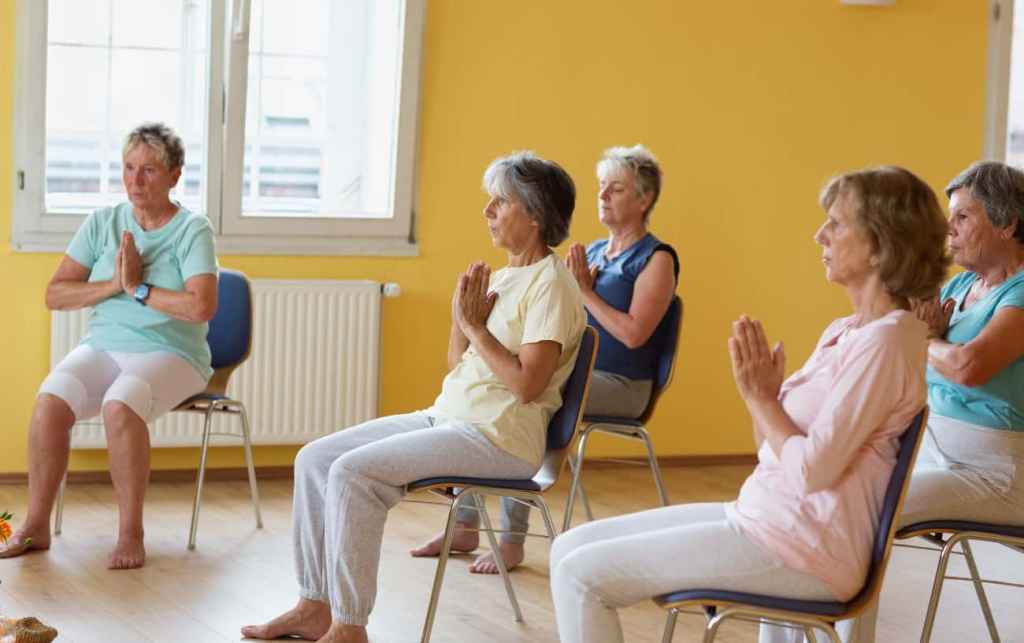
Chair yoga is a modified form of traditional yoga, specifically designed to accommodate seniors or individuals with limited mobility. It provides a gentle introduction to the profound benefits of yoga without the need for complex postures. At Shiva Holistic Yoga School, we recognize the unique needs of seniors and have crafted specialized sessions of chair yoga for seniors.

Benefits of Chair Yoga for Seniors

Embarking on the path of chair yoga at Shiva Holistic Yoga School reveals a multitude of physical benefits carefully tailored for seniors. Let’s explore these benefits in detail:

Advertisement

1. Enhanced Flexibility:

Chair yoga for seniors is a tremendous series of stretches designed to promote flexibility and joint mobility. The seated poses, combined with controlled movements, focus on increasing the range of motion in the joints without exerting unnecessary strain. This not only aids in maintaining flexibility but also contributes to the prevention of stiffness, a common concern among seniors.

Our instructors at Shiva Holistic Yoga School skillfully guide participants through sequences that target key areas such as the spine, shoulders, and hips. By incorporating these gentle stretches into the routine, seniors experience a newfound sense of freedom and ease in their movements, enhancing their overall quality of life.

2. Improved Balance:

One of the primary concerns for seniors is maintaining a steady sense of balance, crucial for preventing falls and injuries. Chair yoga addresses this concern by integrating poses that focus on stability and equilibrium. At Shiva Holistic Yoga School, our instructors guide participants through chair-based balance exercises that help strengthen the core, legs, and ankles.

The chair yoga for seniors allows them to gradually build their balance without the fear of falling. As they progress in their practice, they develop a more vital foundation, translating into improved stability in their daily activities. This increased sense of balance not only instils confidence but also contributes to a more active and independent lifestyle.

3. Pain Management:

Seniors often contend with various physical discomforts, ranging from arthritis to back pain. The Chair yoga for seniors serves as an effective tool for managing and alleviating these common discomforts. The gentle movements and stretches incorporated into the practice promote joint health and reduce muscle tension.

Our instructors emphasize proper alignment and modification of poses to accommodate individual needs, ensuring a safe and pain-free experience. Through consistent practice, seniors may find relief from chronic pain, allowing them to engage more fully in their daily activities and enhancing their overall sense of well-being.

The Shiva Holistic Yoga School Difference

  1. Mindful Meditation for Mental Wellness: The Chair yoga for seniors at Shiva Holistic Yoga School extends beyond the physical realm. Our sessions incorporate mindfulness and meditation, promoting mental well-being among seniors. As individuals engage in the practice, they experience reduced stress, enhanced focus, and a profound sense of tranquillity.
  • Tailored Sessions for All Abilities: Understanding the diverse needs of our students, Shiva Holistic Yoga School offers chair yoga for seniors that caters to their various abilities and health conditions. Our experienced instructors ensure that each participant feels supported and empowered in their unique journey towards holistic wellness.
  • Expert Instructors: Our team of seasoned instructors at Shiva Holistic Yoga School brings a wealth of knowledge and experience to the mat. With a deep understanding of the unique requirements of seniors, they guide participants through chair yoga sessions with compassion and expertise.
  • Inclusive Community: At the heart of Shiva Holistic Yoga School is a thriving community that embraces diversity. Seniors find not only a space to practice chair yoga but also a supportive community that fosters connections, friendships, and a shared commitment to well-being.

Tips- Chair Yoga for Seniors

  1. Choosing the Right Chair: Before embarking on your chair yoga journey, it’s crucial to select a sturdy chair with a flat seat and solid backrest. This ensures stability and support throughout the practice.
  • Comfortable Attire: Wearing comfortable clothing allows for ease of movement during chair yoga. At Shiva Holistic Yoga School, we encourage participants to choose breathable fabrics that enable a seamless practice.
  • Breath Awareness: Central to chair yoga is the emphasis on mindful breathing. Our instructors guide seniors in cultivating a deep awareness of their breath, enhancing the mind-body connection.

Takeaway

As we conclude this comprehensive article on chair yoga for seniors, we invite you to embark on a journey of holistic wellness at Shiva Holistic Yoga School. Our commitment to making yoga accessible ensures that everyone, regardless of age or physical condition, can experience the profound benefits of this ancient practice.

Advertisement

Discover the joy of movement, the peace of meditation, and the warmth of community at Shiva Holistic Yoga School. Join us as we redefine the boundaries of wellness through chair yoga, empowering seniors to lead fulfilling lives with vitality and grace.

If you are keen to learn more about yoga chair yoga for seniors, you can visit our website or contact us today.

Stay happy, stay strong and get the best out of life.

Keep reading.

Visit: 200 hour yoga Teacher Training In Rishikesh | 300 hour yoga Teacher Training In Rishikesh
Tuesday, January 16, 2024

Yoga for Sciatica

 Yoga for Sciatica

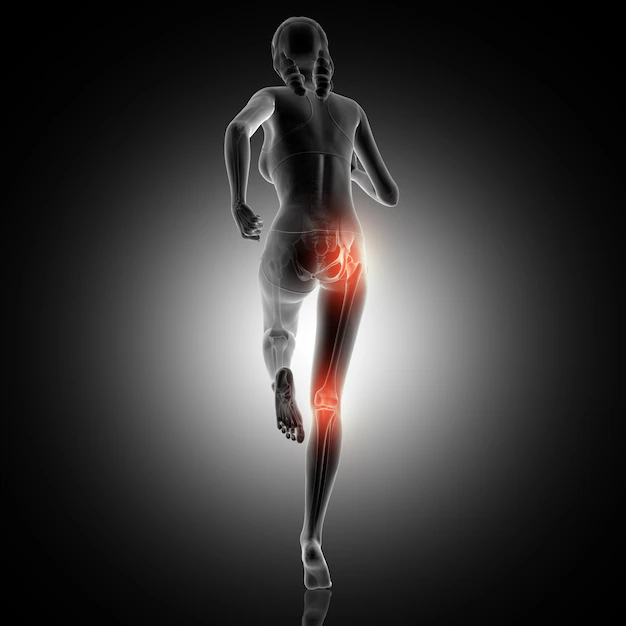
Living with sciatica can be a difficult experience since it is characterized by chronic pain and discomfort that spreads down the length of the sciatic nerve. Sciatica is pain that travels down the sciatic nerve from the lower back, down the hips and buttocks, and down each leg.

Sciatica can cause intense, shooting pain, tingling, or numbness, and it can have a substantial influence on an individual’s daily activities and quality of life. Below we have discussed some of the the causes and symptoms of sciatica.

Source:https://shivholisticyogaschool.wordpress.com/2024/01/16/yoga-for-sciatica/

Sciatica Causes:

  • Spinal disc herniation or bulging.
  • The narrowing of the spinal canal is caused by spinal stenosis.
  • Piriformis syndrome is a condition in which the piriformis muscle irritates the sciatic nerve.
  • Degenerative disc disease and age-related alterations in the spine.

Common Sciatica Symptoms:

  • Along the sciatic nerve route, you may experience sharp or shooting pain.
  • Tingling, numbness, or weakness in your leg or foot.
  • Prolonged sitting or standing causes discomfort.
  • Move the afflicted leg or foot with difficulty.

Yoga for Sciatica

Incorporating specific yoga positions into your program might be a game changer for dealing with sciatica. The sections that follow detail particular postures that focus on moderate stretches for the lower back, hip-opening motions, core strengthening exercises, and variations appropriate for varied degrees of flexibility.

  • Balasana (Child’s Pose):
    • Kneel on the mat, sit back on your heels, and stretch your arms out in front of you.
    • Lower your chest gently to the floor, stretching your arms out for a relaxing stretch along your lower back.
  • Eka Pada Rajakapotasana (Pigeon Pose):
    • Bring one knee forward and the opposing leg straight back from a tabletop posture.
    • Lower your chest over the front leg, allowing your hips and buttocks to stretch deeply.
  • Marjaryasana-Bitilasana (Cat-Cow Stretch):
    • Begin in a tabletop posture on your hands and knees.
    • Inhale, arch your back and elevate your head to form the Cow Pose.
    • Exhale and round your back, tucking your chin to your chest (Cat Pose).
    • This dynamic stretch mobilizes and massages the spine.
  • Pose of the Bound Angle (Baddha Konasana):
    • Sit with your legs bent and your feet together.
    • Hold your feet and let your knees slip outward, allowing your hips to expand.
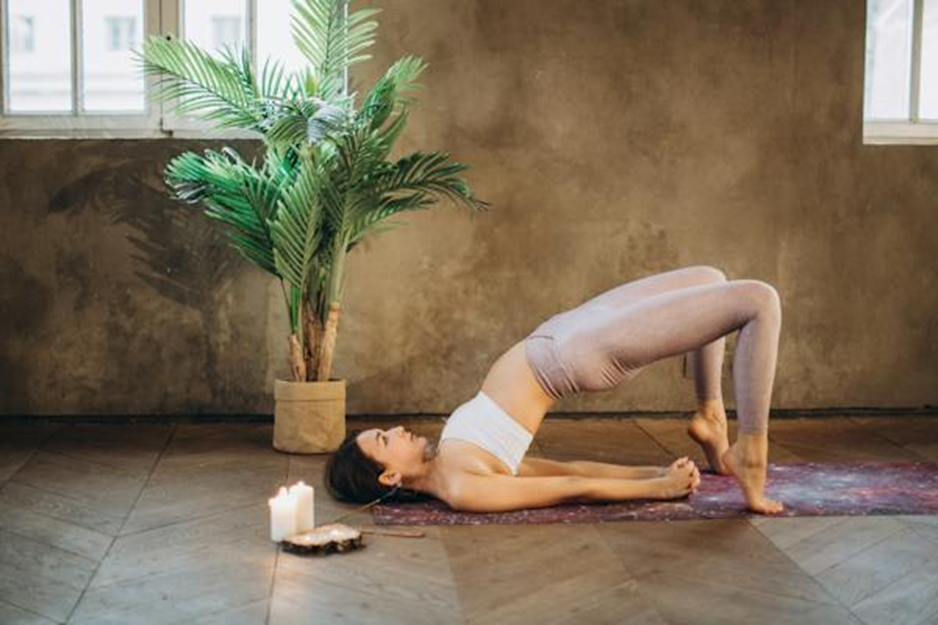
  • Setu Bandhasana (Bridge Pose):
    • Lie on your back, bend your knees, and raise your hips to the sky.
    • To achieve a secure bridge position, engage your core, glutes, and thighs.
  • Forward Fold with Support:
    • Place your feet on a pillow and stretch your legs.
    • Reach forward and rest your hands on a block or the floor for a supported forward fold that will provide lower back relief.
  • Navasana (Boat Pose):
    • Sit on the mat, raise your legs, and lean back while remaining balanced on your sit bones.
    • For stability, extend your arms forward while engaging your core.
  • Hand-to-Big-Toe Supine Pose (Supta Padangusthasana):
    • Lie on your back and raise one leg to your sternum.
    • To gently stretch the hamstring without hurting the lower back, wrap a strap or belt over the foot.
  • Chair Pigeon Pose
    • Cross one ankle across the other knee while sitting on a chair.
    • For a sitting form of Pigeon Pose, gently press down on the crossed knee.

Modifications for People Suffering from Acute Sciatic Pain

  • Gradual Progression: Individuals suffering from severe sciatic pain should begin with mild yoga positions and work their way up to more advanced postures as their condition improves.
  • Pose Supported: Props like blocks, bolsters, and straps can give extra support during poses, decreasing pressure on the lower back and sciatic nerve.
  • Movement with Awareness: Mindfulness is essential. Practitioners should pay special attention to how their bodies react to each movement and avoid any positions that produce pain or discomfort.
  • Avoiding Agonising Poses: Deep forward folds and excessive backbends, for example, might aggravate sciatic discomfort. It is critical to modify or avoid certain positions to avoid additional aggravation.

Yoga for Sciatica: Health Benefits

  • Spinal Flexibility Increased: Yoga positions increase flexibility and movement along the entire spine, improving the health of the vertebral column.
  • Core Strengthening: Many yoga positions work the core muscles, especially those in the lower back, which leads to increased strength and stability.
  • Alignment of the Posture: Yoga promotes appropriate posture and awareness of body alignment, which decreases pressure on the spine and supporting tissues.
  • Relaxation of the Muscles: Yoga’s mindful breathing and relaxation practices help to total muscular relaxation, alleviating back tension and fostering a sensation of calm.
  • Circulation Improvement: Inversions, which increase blood flow and circulation, may help to reduce inflammation around the sciatic nerve.
  • Core and Glutes Strengthening: Yoga positions like Boat Pose and Warrior sequences help to strengthen the core and gluteal muscles, which offers important support for the lower back and sciatic nerve.
  • Reducing Stress: Stress can aggravate chronic pain, including sciatica. Yoga’s emphasis on breath awareness and relaxation methods helps to lower stress levels, providing a healing atmosphere.
  • Pain Tolerance Improvement: Yoga’s mindful practices build a heightened pain threshold, helping people to better handle the pain associated with sciatica.

Precautions and Safety Considerations Associated with Yoga for Sciatica

  • Personalized Counselling from healthcare experts: Consultation with a healthcare expert is essential before beginning a sciatica yoga practice. They can offer tailored guidance based on the nature and severity of the problem.
  • Identifying the Root Causes: Sciatica can be caused by a variety of underlying disorders, and a healthcare practitioner can assist in determining the underlying reason. This insight is critical for designing a yoga practice to meet the requirements and limits of each individual.
  • Care Coordination: Collaboration between healthcare experts and yoga teachers enables a more comprehensive and coordinated approach to sciatica management. This coordinated care reduces the possibility of aggravating pre-existing diseases.
  • Pay Attention to Your Body: Awareness of your limitations is essential in a sciatica yoga practice. Listening to the body’s signals and respecting its boundaries help to ensure a safe and long-lasting practice.
  • Gradual Development: Excessive exertion might result in greater discomfort and eventual difficulties. Gradual growth in practice intensity and length helps the body to adapt and respond favorably.
  • Striking a Balance Between Effort and Rest: It is critical to strike a balance between challenging oneself and allowing the body to relax. Incorporating rest days and gentle routines guarantees a long-term and caring approach to sciatica management.

Bottom line

Starting on the journey of yoga for sciatica is a personal and powerful decision. The practice provides a space for self-discovery and conscious healing via a comprehensive approach that extends beyond the physical.REPORT THIS AD

With this article we advise you to consider yoga as a supplement to your sciatica treatment plan, recognizing the potential for good improvement in both body and mind.  Integrating yoga into a sciatica care regimen provides a synergy of benefits, including increased physical strength, flexibility, mental resilience, and a profound feeling of self-awareness.

We hope you will let yoga heal you during your journey! If you liked this article then you should more such ones on our website and delve deep into the world of yoga!

Stay safe and healthy!

Namaste!

Thursday, December 28, 2023

A Step-By-Step Guide for Bridge Pose


A Step-By-Step Guide for Bridge Pose

Bridge Pose, also known as Setu Bandhasana in Sanskrit, is a dynamic posture that can be customized for different levels of expertise, making it appropriate for beginners while also providing chances for refinement for more experienced practitioners.

The bridge symbol of connection and passage in spiritual and philosophical settings throughout civilizations. Similarly, the bridge Pose reflects the idea of connecting many components of the self – body, mind, and spirit. In yoga philosophy, the spine is commonly regarded as the bridge between the earthly and spiritual realms.

Source: https://shivholisticyogaschool.wordpress.com/2023/12/29/a-step-by-step-guide-for-bridge-pose/

The benefit of Bridge Pose

  • Back, glutes, and hamstrings are strengthened: Bridge Pose aggressively stimulates the muscles of the back, glutes, and hamstrings, which aids in the development of strength in these regions.
  • Improves spinal mobility and flexibility: A mild stretch along the spine promotes flexibility and mobility in this position. Regular practice might help to make the spine more flexible and agile.
  • Stability is achieved by engaging the core: Bridge Pose works the core muscles, particularly the abdominals. This involvement increases stability and helps to improve general core strength.
  • Neck and shoulder tension is relieved: The position allows for a gradual expansion of the chest, which can assist in easing neck and shoulder stress. It mitigates the negative consequences of extended sitting and bad posture.
  • Thyroid Gland Stimulant: Bridge Pose activates the thyroid gland, which is important in metabolic regulation. This can help with energy levels and a balanced metabolism.
  • Promotes Energetic Flow: The posture promotes the passage of prana, or energy, throughout the body. This can boost vigor and give a sense of renewal.
  • Improves Coordination and Balance: Bridge Pose, which involves balancing on the shoulders and activating the core, can help to improve general balance and coordination.
  • Activates the Chest and Heart Center: Bridge Pose energetically lifts and opens the heart center, generating a sensation of expansion. This can result in an increase in emotional well-being and a sense of lightness.

Step-by-Step Guide for Bridge Pose

  1. Beginning position: Begin by lying on your back with your knees bent and your feet hip-width apart and parallel. Make sure your arms are parallel to your body, palms facing down.
  2. Foot Positioning: Firmly press your feet into the ground, grounding all four corners, including the inner and outer borders. Place your heels directly beneath your knees.
  3. Pelvic Elevation: Inhale and elevate your hips to the ceiling, engaging your core. Roll your spine off the mat, articulating through the spine, one vertebra at a time.
  4. Shoulder Participation: To widen your chest, slide your shoulder blades down your back. Maintain parallel arms with hands pointing down.
  1. Fingers interlaced: You can also interlace your fingers beneath your back and stretch your arms. Roll your shoulders under and raise your chest towards your chin if interlacing.
  2. Position of the Neck and Head: Avoid any tension by keeping your neck long and relaxed. The gaze might be directed towards the chest or above.
  3. Hold and inhale: Hold the stance for a few breaths, allowing your chest to expand and your front to open.
  4. Release: Exhale as you slide your spine back down to the mat, gently releasing your hands.

Variation and Modification for Bridge Pose

●      Supported bridge pose: Place a yoga block beneath your sacrum for more support for a milder backbend.

●      Bridge with One Leg: Lift one leg towards the ceiling while keeping the other foot on the ground in a solid bridge posture.

●      Urdhva Dhanurasana (Wheel Pose): Explore the transition to Wheel Pose by straightening your arms for more experienced practitioners.

●      Support for the Wall: Bridge Practice Pose with your feet against a wall for extra stability and knowledge of your alignment.

●      The Dynamic Bridge: Include movement by raising and lowering your hips in a rhythmic pattern to improve the flow of the position.

●      Hands-Free Alternative: Once you’re comfortable with the posture, try hands-free variants by letting your arms rest alongside your body.

Precaution and Contradictions in Bridge Pose

  • Neck and spine problems: Individuals suffering from neck injuries or major spinal disorders should proceed with caution. Before trying Bridge Pose, contact a healthcare professional or an experienced yoga instructor.
  • Recent Surgical Procedure: If you’ve recently had surgery, especially on your back, hips, or knees, avoid or modify Bridge Pose until you get permission from your doctor.
  • Hypertension (high blood pressure): Backbends should be approached with caution by those with high blood pressure. To minimize severe strain, props or changes may be required.
  • Injuries to the shoulder or wrist: Individuals with shoulder or wrist ailments should use caution when doing poses that need them to support their body weight on their hands, such as Bridge Pose. Consider making changes to reduce stress in these areas.
  • Pregnancy: Pregnant women should contact their doctor before performing Bridge Pose, especially during the second and third trimesters. Modifications or other stances may be advised.

Important Tips for Bridge Pose

  • Warm-Up: Perform a thorough warm-up sequence that includes mild stretches for the spine, hips, and shoulders before trying Bridge Pose. Sun Salutations and other pre-exercise positions can gradually raise body temperature and improve flexibility.
  • Cooldown: After practicing Bridge Pose, take some time to calm down. Gentle stretches and relaxation postures, such as Child’s Pose or Supine Twist, can aid in the release of tension and the prevention of stiffness.
  • Breath Control: Maintain mindfulness of your breath during the warm-up, position practice, and cool-down. Deep, deliberate breathing aids relaxation and prepares the body for the demands of the position.
  • Hydration: Stay hydrated before and after your workout to improve overall health and muscular function.

Frequently Asked Questions about Bridge Pose

Is advanced flexibility required for Bridge Pose?

No, Bridge Pose may be modified to accommodate varying levels of flexibility. Modifications and changes make it suitable for practitioners of varied skill levels.

Can the Bridge Pose assist with lower back pain?

Bridge Pose helps alleviate minor lower back pain by strengthening the back muscles and increasing flexibility. Individuals suffering from chronic pain, on the other hand, should seek the advice of a healthcare practitioner before engaging in this practice.

What alterations may pregnant women make to Bridge Pose?

Pregnant women can practice Bridge Pose with adjustments, such as a lower lift or using props for support. However, before engaging in any yoga postures during pregnancy, it is critical to contact a healthcare expert.

How frequently should I perform Bridge Pose?

The frequency of practice is determined by the individual’s goals and level of comfort. Including Bridge Pose 2-3 times each week is a fantastic place to start.

Bottom line

As we end this article, we have concluded that Bridge Pose is a gateway to total well-being, not just a physical asana. If you have stayed with us till here then we invite you to embrace the Bridge Pose as a chance for self-discovery and thoughtful investigation.

You should approach this posture with openness and inquiry, whether you are a seasoned yogi or a beginner on your mat. We wish that your discovery of Bridge Pose be a joyful and fulfilling experience, helping you on your yoga path toward increased self-awareness, flexibility, and strength.

This was all! We hope you like reading this article! If you want to read more such ones then reach out to us on our website and delve deep into the world of yoga!

Stay safe and healthy!

Namaste!

Visit: yoga school in India | Yoga Teacher Training In India | 200 Hour Yoga Teacher Training in Rishikesh | 300 hour yoga Teacher Training In India | 500 hour yoga Teacher Training In India

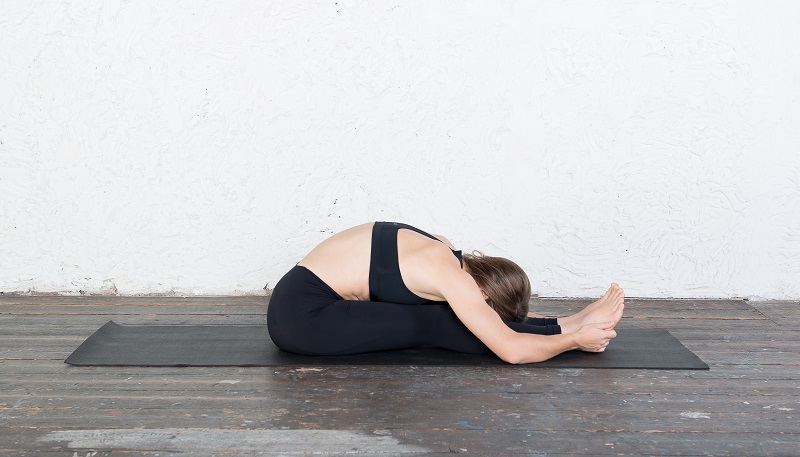
Seated forward bend pose for PASCHIMOTTANASANA

Seated forward bend pose for PASCHIMOTTANASANA The Paschimottanasana is a seated forward bending asana in hatha yoga and modern yoga as exe...