Showing posts with label Yoga Teacher Training in India. Show all posts

Wednesday, March 13, 2024

Yoga Benefits of the Corpse Pose (Shavasana)

 Yoga Benefits of the Corpse Pose (Shavasana)

Etymology and origin 

The word Shavasana comes from two Sanskrit words “Śava”  means “corpse” and “Āsana”, means “posture” or “seat”. The alternative name of Savasana is  Mritasana which is also comes from two Sanskrit words “mṛta” means “death” and “asana” means “pose”.The earliest mention of the Corpse pose or Savasana is in the 15th century Hatha yoga Pradipika, which states in the context of a medieval belief system that “lying down on the ground supine, like a corpse, is called Shavasana. This pose eliminates tiredness and promotes calmness of the mind.

Shavasana or Corpse Pose is intended to rejuvenate your body, mind, and spirit. In this pose, the breath deepens, and the stress of the day is released. The yogi forgets all other thoughts and surrenders any psychological effort. While in Savasana or Corpse pose, yogis slip into blissful neutrality and reflect on the practice. Comfort is significant in the pose; the slightest point of discomfort can be endlessly distracting. Daily practice of Shavasana or Corpse pose is an excellent way to reduce stress and tension.

Holistic Yoga Benefits of Shavasana or Corpse Pose

  1. Daily practice of Shavasana or corpse pose may give you numerous benefits, which are very subtle and only fully recognized over time, as you make Shavasana a regular part of your practice. Its benefits are physical, mental, and spiritual – as you move into moments of full relaxation you expand your consciousness and enter into a state of harmony with all three.
  2. Shavasana is a good way to reduce anxiety and stress, which in turn can have a positive impact on a variety of health issues that are stress-related such as diabetes, cancer, and heart disease.
  3. It helps with sleep issues. If you have insomnia or wake frequently during the night, then you must practice Shavasana or Corpse pose before bed. As this pose helps you enter a state of calm and conscious peacefulness which can help you sleep better.
  4. Daily practice of Shavasana or corpse pose is a Natural way of regulating your immune and digestive systems. 
  5. Shavasana or corpse pose can help you to lower your blood pressure as the sympathetic system becomes more tranquil.
  6. If you add Shavasana in your daily routine, your Concentration and Memory will get improve – Just like how meditation is a result of focus and concentration, when you are actively focussing on each area of your body while you are in Shavasana, your mind automatically improves in its capacity for concentration and memory.
  7. If you are looking for a quick boost of energy, you can turn to Savasana or corpse pose anytime during the day for some of that instant energy. Just practising shavasana for upto 10 minutes can give your body an energy boost, and thereby, increases your productivity.
  8. Shavasana is the best Yoga Asana to relieve migraine and also helps you to get relief from severe and disabling tiredness or fatigue.

How to do Shavasana or Corpse Pose?  

Shavasana or Corpse Pose is both the easiest and the hardest of yoga poses; it may look easy, your body may be still, but where is your mind? 

If you Done this pose correctly, it will leave your mind calm and your body relaxed but energised, certainly not sleepy. So let’s take a look at the easy 13  steps for doing Shavasana or corpse pose correctly- 

Step 1: Begin with lying down position, Lie flat on your back, neck away from your shoulders, chin tucked in. Make sure that your legs are extended and slightly turned outward, hands a little away from the body, palms up. 

Step 2: Now Close your eyes and gently turn your attention inwards and start to breathe deeply. Spend a bit of time checking in with each part of your body, making sure every body part is relaxed. 

Step 3: Let your hips sink into the ground and soften your groins and lower back. 

Step 4: Also Let your shoulder blades sink evenly down into the ground and spread the collarbones.

Step 5: Gently Lengthen your neck and relax your head into the floor.

Step 6: Relax your legs and arms, allowing them to become heavy.

Step 7: Relax and sink your groins, pelvis, lower back and chest into the floor.

Step 8: Let Soften your tongue, jaw, the skin of the forehead. 

Step 9: Allow your eyes to sink into their sockets.

Step 10: Allow your breath to become smooth and slow.

Step 11: Remain in the pose for at least five minutes.

Step 12: Then eventually release the pose, exhale and slowly bring your knees into the chest. Roll softly to the right side, supporting your head on your right hand on the floor. Rest here for a while.

Step 13: Deeply Exhale again, push your hands into the floor to slowly lift the upper body. Sit up and take a moment to feel what it is to be totally relaxed.

Precautions or Contraindications of Shavasana or Corpse pose

Shavasana or corpse pose is considered to be absolutely safe and can be practised by anyone and everyone. However, there are few exceptions who can’t perform this asana- 

  1. If your doctor has advised you not to lie on your back, you must avoid this asana or you can do some modification like lie with your back on the floor, and rest your calves on the seat of a chair, with your thighs perpendicular to the floor.
  2. In case of practising this asana during pregnancy, it is advised to rest your head and chest on a bolster for comfort.
  3. Most importantly, people with psychiatric disorders should not attempt this pose without first consulting a physician or yoga expert.

Modifications FOR CORPSE POSE (SAVASANA)

The energetic intention of Corpse Pose or Savasana is relaxing and letting go, so for any reason if it’s hard for you to do that in the traditional posture, work toward a position that makes it more comfortable with props. Some frequent Savasana or corpse pose modifications include:

  • Putting your legs on a chair or a wall
  • Placing a bolster, pillow, or rolled-up blanket under your knees
  • Putting a pillow under your head or neck
  • Lying on your side with a pillow or block between your knees
  • Placing blocks or folded blankets under your arms to support your shoulders
  • Using an eye pillow or mask
  • Practicing under a blanket for warmth

Variations of Savasana or Corpse pose

The above mentioned modifications are just a taste of the many ways you can practice savasana or corpse pose comfortably. You can also do other alternative forms of the pose using different positions and different props to support your body for total relaxation.

Here are some variations you can practice savasana when lying flat on your back isn’t working for you.

  1. ELEVATED SAVASANA
  2. SIDE-LYING SAVASANA
  3. PRONE SAVASANA

The Bottom Line

The routine practice of Shavasana or Corpse pose allows a deep relaxation of body and mind. Shavasana is as important and fundamental as exercise and a balanced diet. Yoga equips the nervous system with new neuromuscular information. The corpse pose gives your body and minds the possibility to integrate this new information before you again devote yourself ourselves to your everyday life. Without Shavasana at the end of a yoga class, you can also skip the whole class. Without this integrative phase, in the end, you may lose all that your body and mind have learned during the class. For that reason, Shavasana is often referred to as the most important asana. However, one important thing to note is that you cannot fall asleep when you practice this pose. As this pose requires you to concentrate, and focus on your breath. When you are practising this pose, try to take deeper, and faster breaths. 

If you are keen to learn more about the yoga benefits of shavasana or corpse pose, you can visit our website.

Stay healthy, stay strong and get the best out of life.

Keep reading.

Source: https://shivholisticyogaschool.com/blog/yoga-benefits-of-the-corpse-pose-shavasana/

Visit: yoga school in India | Yoga Teacher Training In India | 200 hour yoga Teacher Training In India | 300 hour yoga Teacher Training In India | 500 hour yoga Teacher Training In India

Friday, February 23, 2024

Unlocking Wellness: A Journey to Health through Yoga Asanas

 Unlocking Wellness: A Journey to Health through Yoga Asanas

Embarking on a journey towards a healthier lifestyle often involves making mindful choices that nurture both the body and the mind. One such powerful and time-tested practice is yoga, specifically focusing on the transformative benefits of yoga asanas. At Shiva Holistic Yoga School, we believe that incorporating yoga Asanas into your daily routine can be a game-changer in achieving holistic well-being. Let’s delve into the world of yoga asanas and discover how they can pave the way to a healthier, happier you.

Yoga Asanas: A Brief Overview

In the ancient wisdom of yoga, asanas are physical postures designed not just for flexibility and strength but also to create a harmonious balance between the body, mind, and spirit. Shiva Holistic Yoga School, with its roots deeply grounded in traditional yogic practices, understands the profound impact that these yoga asanas can have on one’s overall health.

The Journey Begins: Setting the Foundation with Yoga Asanas

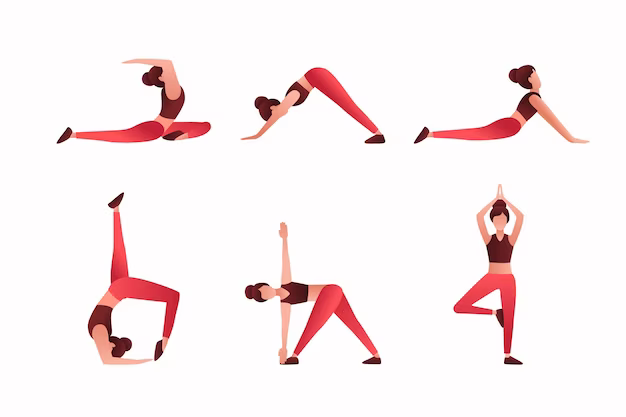
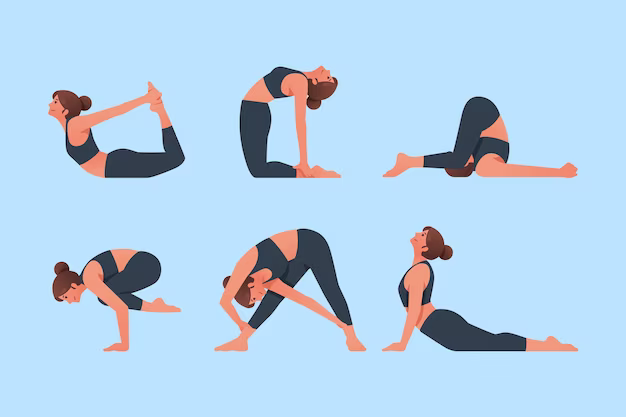
1. Tadasana (Mountain Pose):

The journey to a healthy lifestyle begins with a strong foundation. Tadasana, or the Mountain Pose, is the foundational yoga asana in many yoga sequences. It aligns the spine, improves posture, and fosters a sense of grounding. Shiva Holistic Yoga School emphasizes the significance of starting your practice with this fundamental yoga asana.

2. Adho Mukha Svanasana (Downward-Facing Dog):

Transitioning into the Downward-Facing Dog opens up numerous benefits. This yoga asana strengthens the entire body, stretches the spine, and promotes blood circulation. Shiva Holistic Yoga School incorporates this yoga asana to enhance flexibility and build strength in their students.

A Flow of Wellness: Dynamic Yoga Asanas for Energy

3. Surya Namaskar (Sun Salutation):

Surya Namaskar is a dynamic sequence that combines various yoga asanas in a fluid motion. It not only acts as a warm-up but also enhances cardiovascular health, boosts metabolism, and promotes mental clarity. Shiva Holistic Yoga School integrates Surya Namaskar into their teachings, recognizing its holistic benefits.

4. Trikonasana (Triangle Pose):

The triangular shape of Trikonasana symbolizes stability and balance. This yoga asana strengthens the legs, opens the hips, and stretches the spine. Shiva Holistic Yoga School incorporates Trikonasana to help students cultivate both physical and mental equilibrium.

Nurturing the Mind-Body Connection: Restorative Yoga Asanas

5. Balasana (Child’s Pose):

In the fast-paced world we live in, finding moments of stillness becomes vital. Balasana, or Child’s Pose, provides a resting position that calms the mind, relieves stress, and gently stretches the back. Shiva Holistic Yoga School emphasizes the importance of incorporating restorative yoga asanas into daily practice.

6. Savasana (Corpse Pose):

The final relaxation yoga asana, Savasana, is a cornerstone in any yoga practice. It allows the body to absorb the benefits of the preceding asanas and induces a state of deep relaxation. Shiva Holistic Yoga School guides its students in mastering the art of letting go and surrendering to the present moment through Savasana.

Enhancing Flexibility: Yoga Asanas for Supple Joints and Muscles

7. Bhujangasana (Cobra Pose):

For those seeking to strengthen the back and open the chest, Bhujangasana, or Cobra Pose, is a go-to asana. Shiva Holistic Yoga School incorporates this yoga asana to improve spinal flexibility, stimulate abdominal organs, and alleviate stress. It’s an empowering yoga asana that encourages a graceful extension of the spine.

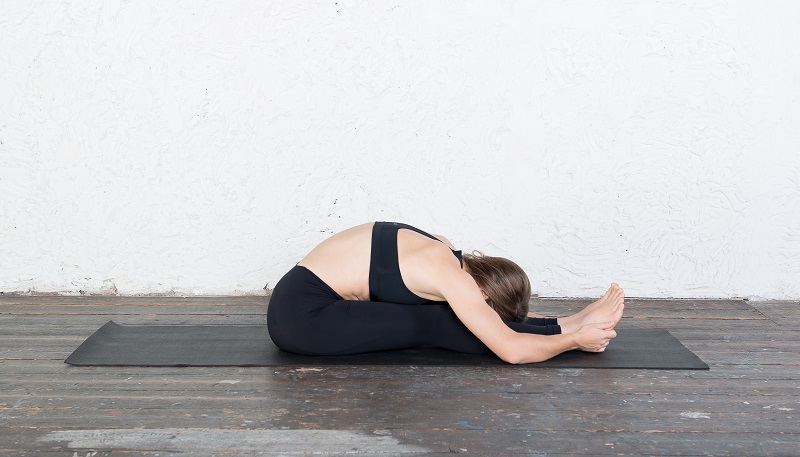
8. Paschimottanasana (Seated Forward Bend):

In a world dominated by sedentary lifestyles, Paschimottanasana provides a much-needed stretch to the spine and hamstrings. This seated forward bend not only improves flexibility but also stimulates the abdominal organs, promoting digestion. Shiva Holistic Yoga School emphasizes the importance of incorporating this yoga asana for those looking to balance the effects of prolonged sitting.

Balance and Focus: Yoga Asanas for a Calm Mind

9. Vrikshasana (Tree Pose):

The Tree Pose, Vrikshasana, is a balancing act that not only enhances stability but also fosters mental focus. By grounding one foot while lifting the other, practitioners develop a sense of rootedness and concentration. Shiva Holistic Yoga School integrates Vrikshasana to help students find equilibrium amid life’s challenges.

10. Natarajasana (Dancer Pose):

Natarajasana, also known as the Dancer Pose beautifully combines balance, strength, and grace. This yoga asana opens the chest, stretches the shoulders, and improves concentration. Shiva Holistic Yoga School introduces Natarajasana as a way to harmonize the body and mind, encouraging practitioners to embody both strength and flexibility.

Empowering Core Strength: Yoga Asanas for Abdominal Health

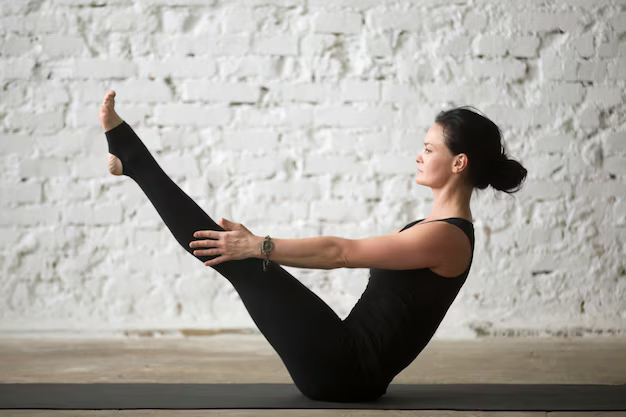
11. Navasana (Boat Pose):

Navasana, or Boat Pose, targets the core muscles, promoting strength and stability. This yoga asana is beneficial for improving digestion, toning abdominal muscles, and building endurance. Shiva Holistic Yoga School incorporates Navasana into its teachings to empower students in cultivating a strong and resilient core.

12. Ustrasana (Camel Pose):

Ustrasana, the Camel Pose, is a heart-opening yoga asana that strengthens the back and stretches the front of the body. It stimulates the abdominal organs, improves digestion, and encourages emotional release. Shiva Holistic Yoga School includes this yoga asana in its curriculum to foster both physical and emotional well-being.

Takeaway

In the goal of a healthy lifestyle, yoga asanas serve as a powerful tool, and Shiva Holistic Yoga School stands as a beacon of guidance. By incorporating yoga asanas into your routine, you not only enhance physical fitness but also foster mental clarity and emotional balance.

Embark on this transformative journey with Shiva Holistic Yoga School, where the ancient wisdom of yoga meets modern-day wellness. Discover the profound impact of yoga asanas on your path to a healthier, more balanced life. Yoga asanas are not just exercises; they are gateways to a healthier, more fulfilling life. Begin your journey today.

Discover the joy of moving with purpose, breathing with awareness, and cultivating a deep connection between your body, mind, and spirit. The path to a healthy lifestyle awaits you, beautified with the wisdom of yoga asanas. Embrace it with Shiva Holistic Yoga School, and let the transformative journey begin.

So start practising these yoga asanas daily and avail numerous physical and mental health benefits. If you are keen to learn more about yoga asanas, you can visit our website or contact us today.

Stay happy, stay strong and get the best out of life.

Keep reading.

Source: https://shivholisticyogaschool.wordpress.com/2024/02/23/unlocking-wellness-a-journey-to-health-through-yoga-asanas/

Visit: Yoga Teacher Training In Rishikesh | Yoga Teacher Training In India

Monday, January 29, 2024

An Ultimate Guide on How to Do Kapalbhati


An Ultimate Guide on How to Do Kapalbhati


Welcome to Shiva Holistic Yoga School, where the ancient art of yoga is not just a practice but a way of life. In this comprehensive article, we delve into the transformative practice of Kapalbhati, an integral part of our curriculum that promotes holistic well-being. Let’s embark on a journey to discover the essence of Kapalbhati and its profound impact on your mind, body, and spirit. 
 

Understanding Kapalbhati

 At Shiva Holistic Yoga School, we recognize the significance of Kapalbhati in cleansing the body and rejuvenating the mind. Kapalbhati is a Sanskrit word, derived from two Sanskrit words, i.e., ‘Kapala’ (skull) and ‘Bhati’ (shining). Kapalbhati involves a rhythmic and forceful exhalation that cleanses the lungs and energizes the entire system.

Advertisement

1. Cultural Significance:   Kapalbhati finds its roots in ancient Indian yogic traditions. At Shiva Holistic Yoga School, we emphasize the cultural significance of Kapalbhati, acknowledging its place in the broader context of holistic well-being. Understanding the cultural heritage enhances the practice, creating a more profound connection with the essence of yoga. 2. Energetic Cleansing:   The name ‘Kapalbhati’ itself suggests the shining or illumination of the skull. At Shiva Holistic Yoga School, we teach that this shining is not just a physical phenomenon but a representation of the energetic cleansing that occurs during the practice. Kapalbhati is believed to clear energy blockages, promoting a harmonious flow of prana throughout the body. 3. Balancing the Doshas:   In the yogic philosophy followed at Shiva Holistic Yoga School, it is believed that Kapalbhati helps balance the three doshas – Vata, Pitta, and Kapha. This balance is crucial for overall health and well-being, and our instructors provide insights into how the practice achieves this equilibrium. 

The Physical Benefits of Kapalbhati

 1. Improved Respiratory Health:   Engaging in Kapalbhati at Shiva Holistic Yoga School enhances lung capacity, promotes deeper breathing, and cleanses the respiratory system, making it an effective practice for those seeking respiratory well-being. 2. Detoxification of Organs:   Kapalbhati stimulates the abdominal organs, facilitating detoxification and improving digestive functions. Students at our school experience a holistic approach to cleansing, ensuring overall vitality. 

The Mental and Emotional Impact of Kapalbhati

 3. Stress Reduction and Mental Clarity:   Through the practice of Kapalbhati, students at Shiva Holistic Yoga School discover a powerful tool for stress reduction. The controlled breathing not only calms the mind but also enhances mental clarity, paving the way for a more focused and centred life. 4. Elevated Mood and Emotional Balance:   Kapalbhati is renowned for its positive impact on emotional well-being. Our practitioners often report an elevated mood, reduced anxiety, and a greater sense of emotional balance. 

Step-by-Step Guide on How to Do Kapalbhati

 Now, let’s explore the step-by-step process of how to do Kapalbhati:   1. Sit Comfortably:   Find a quiet space, sit comfortably in a cross-legged position, and ensure your spine is erect. This establishes the foundation for a focused and effective Kapalbhati session. 2. Focus on Your Breath:   Bring your attention to your breath. Inhale gently and exhale completely, preparing your respiratory system for the rhythmic breathwork of Kapalbhati. 3. Begin Rhythmic Exhalations:   Start by taking a deep breath in and then exhaling forcefully through your nose. Follow this with a series of rapid and rhythmic exhalations, allowing your abdomen to contract with each breath. 4. Maintain a Steady Pace:   Keep the pace consistent, focusing on the forceful exhalations. The inhalation should happen naturally as the abdomen relaxes between breath cycles. 5. Gradually Increase Duration:   For beginners at Shiva Holistic Yoga School, start with a short duration and gradually increase as your stamina builds. It’s essential to maintain comfort and avoid strain. 

Personalized Guidance at Shiva Holistic Yoga School

 1. Expert Guidance from Certified Instructors:   When you embark on your Kapalbhati journey at Shiva Holistic Yoga School, you are guided by certified yoga instructors with extensive experience. Our experts provide personalized attention, ensuring that your practice aligns with your unique needs and goals. 2. Individualized Modifications:   Every individual’s body is different, and our instructors at Shiva Holistic Yoga School understand the importance of tailored guidance. Whether you’re a beginner or an advanced practitioner, modifications are introduced to accommodate your current level of fitness and flexibility. 3. Connection with Prana (Life Force):   Kapalbhati, as taught at our school, goes beyond the physical realm. It is a practice that connects you with your prana, the life force energy. Through the rhythmic breathwork, students at Shiva Holistic Yoga School experience a profound sense of connection with their inner selves. 4. Meditative Awareness:   As you engage in Kapalbhati, the breath becomes a focal point for meditation. Our instructors emphasize the meditative aspect, helping students cultivate awareness, mindfulness, and a deeper connection with the present moment. 

Integrating Kapalbhati into Your Daily Routine

 1.      Consistency is Key: At Shiva Holistic Yoga School, we encourage students to make Kapalbhati a consistent part of their daily routine. Regular practice enhances its benefits, contributing to long-term physical and mental well-being.   2.      Morning Ritual for Energy: Many practitioners find that incorporating Kapalbhati into their morning routine provides a burst of energy that lasts throughout the day. Start your day at Shiva Holistic Yoga School with this invigorating practice to set a positive tone for the hours ahead. 

Takeaway

 In conclusion, Kapalbhati is not just an exercise; it is a transformative practice that encompasses physical, mental, and spiritual dimensions. Shiva Holistic Yoga School provides a nurturing environment for individuals to explore and master the kapalbhati. With expert guidance, personalized instruction, and a focus on holistic well-being, our school is committed to helping you in how to do Kapalbhati. So start practising the kapalbhati daily and avail numerous physical and mental health benefits. If you are keen to learn more about how to do kapalbhati or any other yoga pose, you can visit our website or contact us today.  Stay happy, stay strong and get the best out of life.  Keep reading. Post navigation

Advertisement

Visit: yoga school in Rishikesh | 200 hour yoga Teacher Training In Rishikesh

Thursday, December 28, 2023

A Step-By-Step Guide for Bridge Pose


A Step-By-Step Guide for Bridge Pose

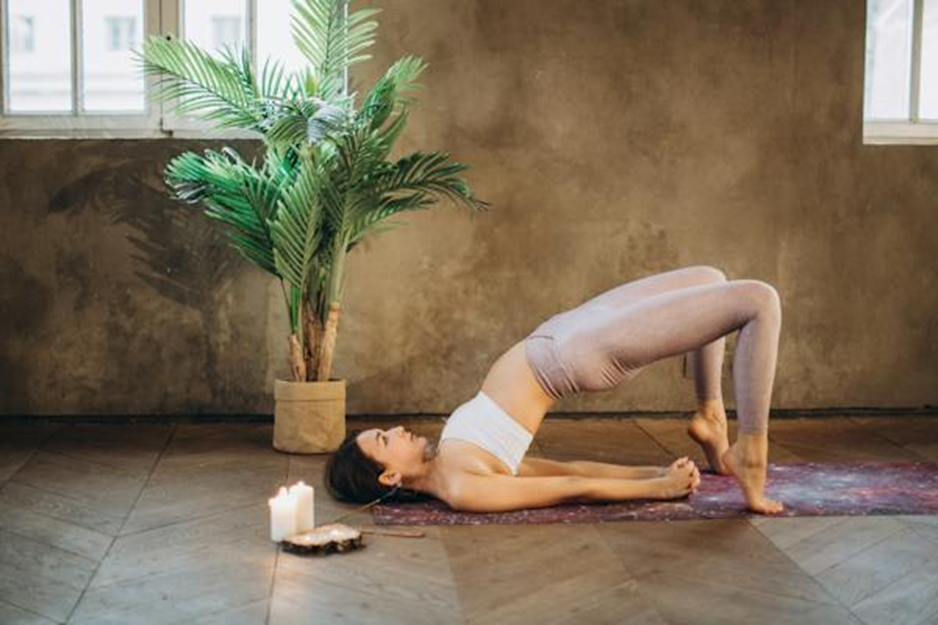
Bridge Pose, also known as Setu Bandhasana in Sanskrit, is a dynamic posture that can be customized for different levels of expertise, making it appropriate for beginners while also providing chances for refinement for more experienced practitioners.

The bridge symbol of connection and passage in spiritual and philosophical settings throughout civilizations. Similarly, the bridge Pose reflects the idea of connecting many components of the self – body, mind, and spirit. In yoga philosophy, the spine is commonly regarded as the bridge between the earthly and spiritual realms.

Source: https://shivholisticyogaschool.wordpress.com/2023/12/29/a-step-by-step-guide-for-bridge-pose/

The benefit of Bridge Pose

  • Back, glutes, and hamstrings are strengthened: Bridge Pose aggressively stimulates the muscles of the back, glutes, and hamstrings, which aids in the development of strength in these regions.
  • Improves spinal mobility and flexibility: A mild stretch along the spine promotes flexibility and mobility in this position. Regular practice might help to make the spine more flexible and agile.
  • Stability is achieved by engaging the core: Bridge Pose works the core muscles, particularly the abdominals. This involvement increases stability and helps to improve general core strength.
  • Neck and shoulder tension is relieved: The position allows for a gradual expansion of the chest, which can assist in easing neck and shoulder stress. It mitigates the negative consequences of extended sitting and bad posture.
  • Thyroid Gland Stimulant: Bridge Pose activates the thyroid gland, which is important in metabolic regulation. This can help with energy levels and a balanced metabolism.
  • Promotes Energetic Flow: The posture promotes the passage of prana, or energy, throughout the body. This can boost vigor and give a sense of renewal.
  • Improves Coordination and Balance: Bridge Pose, which involves balancing on the shoulders and activating the core, can help to improve general balance and coordination.
  • Activates the Chest and Heart Center: Bridge Pose energetically lifts and opens the heart center, generating a sensation of expansion. This can result in an increase in emotional well-being and a sense of lightness.

Step-by-Step Guide for Bridge Pose

  1. Beginning position: Begin by lying on your back with your knees bent and your feet hip-width apart and parallel. Make sure your arms are parallel to your body, palms facing down.
  2. Foot Positioning: Firmly press your feet into the ground, grounding all four corners, including the inner and outer borders. Place your heels directly beneath your knees.
  3. Pelvic Elevation: Inhale and elevate your hips to the ceiling, engaging your core. Roll your spine off the mat, articulating through the spine, one vertebra at a time.
  4. Shoulder Participation: To widen your chest, slide your shoulder blades down your back. Maintain parallel arms with hands pointing down.
  1. Fingers interlaced: You can also interlace your fingers beneath your back and stretch your arms. Roll your shoulders under and raise your chest towards your chin if interlacing.
  2. Position of the Neck and Head: Avoid any tension by keeping your neck long and relaxed. The gaze might be directed towards the chest or above.
  3. Hold and inhale: Hold the stance for a few breaths, allowing your chest to expand and your front to open.
  4. Release: Exhale as you slide your spine back down to the mat, gently releasing your hands.

Variation and Modification for Bridge Pose

●      Supported bridge pose: Place a yoga block beneath your sacrum for more support for a milder backbend.

●      Bridge with One Leg: Lift one leg towards the ceiling while keeping the other foot on the ground in a solid bridge posture.

●      Urdhva Dhanurasana (Wheel Pose): Explore the transition to Wheel Pose by straightening your arms for more experienced practitioners.

●      Support for the Wall: Bridge Practice Pose with your feet against a wall for extra stability and knowledge of your alignment.

●      The Dynamic Bridge: Include movement by raising and lowering your hips in a rhythmic pattern to improve the flow of the position.

●      Hands-Free Alternative: Once you’re comfortable with the posture, try hands-free variants by letting your arms rest alongside your body.

Precaution and Contradictions in Bridge Pose

  • Neck and spine problems: Individuals suffering from neck injuries or major spinal disorders should proceed with caution. Before trying Bridge Pose, contact a healthcare professional or an experienced yoga instructor.
  • Recent Surgical Procedure: If you’ve recently had surgery, especially on your back, hips, or knees, avoid or modify Bridge Pose until you get permission from your doctor.
  • Hypertension (high blood pressure): Backbends should be approached with caution by those with high blood pressure. To minimize severe strain, props or changes may be required.
  • Injuries to the shoulder or wrist: Individuals with shoulder or wrist ailments should use caution when doing poses that need them to support their body weight on their hands, such as Bridge Pose. Consider making changes to reduce stress in these areas.
  • Pregnancy: Pregnant women should contact their doctor before performing Bridge Pose, especially during the second and third trimesters. Modifications or other stances may be advised.

Important Tips for Bridge Pose

  • Warm-Up: Perform a thorough warm-up sequence that includes mild stretches for the spine, hips, and shoulders before trying Bridge Pose. Sun Salutations and other pre-exercise positions can gradually raise body temperature and improve flexibility.
  • Cooldown: After practicing Bridge Pose, take some time to calm down. Gentle stretches and relaxation postures, such as Child’s Pose or Supine Twist, can aid in the release of tension and the prevention of stiffness.
  • Breath Control: Maintain mindfulness of your breath during the warm-up, position practice, and cool-down. Deep, deliberate breathing aids relaxation and prepares the body for the demands of the position.
  • Hydration: Stay hydrated before and after your workout to improve overall health and muscular function.

Frequently Asked Questions about Bridge Pose

Is advanced flexibility required for Bridge Pose?

No, Bridge Pose may be modified to accommodate varying levels of flexibility. Modifications and changes make it suitable for practitioners of varied skill levels.

Can the Bridge Pose assist with lower back pain?

Bridge Pose helps alleviate minor lower back pain by strengthening the back muscles and increasing flexibility. Individuals suffering from chronic pain, on the other hand, should seek the advice of a healthcare practitioner before engaging in this practice.

What alterations may pregnant women make to Bridge Pose?

Pregnant women can practice Bridge Pose with adjustments, such as a lower lift or using props for support. However, before engaging in any yoga postures during pregnancy, it is critical to contact a healthcare expert.

How frequently should I perform Bridge Pose?

The frequency of practice is determined by the individual’s goals and level of comfort. Including Bridge Pose 2-3 times each week is a fantastic place to start.

Bottom line

As we end this article, we have concluded that Bridge Pose is a gateway to total well-being, not just a physical asana. If you have stayed with us till here then we invite you to embrace the Bridge Pose as a chance for self-discovery and thoughtful investigation.

You should approach this posture with openness and inquiry, whether you are a seasoned yogi or a beginner on your mat. We wish that your discovery of Bridge Pose be a joyful and fulfilling experience, helping you on your yoga path toward increased self-awareness, flexibility, and strength.

This was all! We hope you like reading this article! If you want to read more such ones then reach out to us on our website and delve deep into the world of yoga!

Stay safe and healthy!

Namaste!

Visit: yoga school in India | Yoga Teacher Training In India | 200 Hour Yoga Teacher Training in Rishikesh | 300 hour yoga Teacher Training In India | 500 hour yoga Teacher Training In India
Seated forward bend pose for PASCHIMOTTANASANA

Seated forward bend pose for PASCHIMOTTANASANA The Paschimottanasana is a seated forward bending asana in hatha yoga and modern yoga as exe...